Written by Explore Digital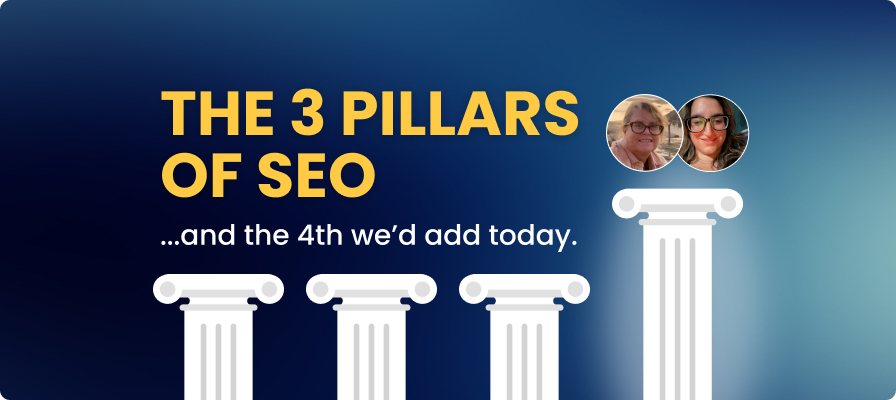
SEO has changed a lot since we first started helping clients with it.
Google Business Profiles matter more. AI Overviews are changing how people search. Tools like ChatGPT, Gemini, and Perplexity are turning search into more of a conversation than a list of blue links.
But here’s the part that gets missed: the foundation hasn’t disappeared.
In one of our past YouTube podcast episodes, Darci and Barbie sat down for what we lovingly called the Official Flannel Episode. They talked through the three classic pillars of SEO and shared a few horror stories from websites that launched, relaunched, or “optimized” their way into trouble.
At the time, we focused on the three big ones: technical SEO, content, and authority.
Today, we’d add a fourth: user experience.
Not because the original three are outdated. They’re not. Your site still needs to be crawlable, understandable, and trustworthy. But modern SEO has to do more than get someone to your website. It has to help them trust you, understand what you do, and take the next step.
That’s where the fourth pillar comes in.
The 4 Pillars of SEO in Plain English
When people talk about the pillars of SEO, they’re usually talking about the core parts of a strategy that help your website show up in search.
Here’s the simple version:
- Technical SEO: Can search engines find, crawl, and index your website?
- Content: Does your site answer the searches your customers are actually making?
- Authority: Does the rest of the internet give search engines reasons to trust you?
- User Experience: Once someone lands on your site, can they quickly understand, trust, and act?
A strong SEO strategy needs all four.
If your technical SEO is broken, Google may not find your pages. If your content is thin, Google may not understand what you’re relevant for. If your authority is weak, competitors may outrank you even if your site looks better. And if your user experience is poor, rankings won’t turn into leads, calls, bookings, or sales.
That’s the part business owners care about most anyway.
Ranking is nice. Revenue is better.
Pillar 1: Technical SEO
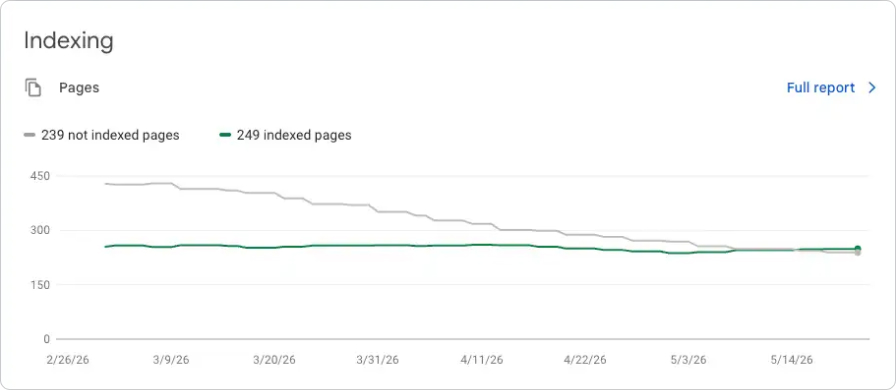
Technical SEO is the connection between your website and search engines.
It’s the behind-the-scenes work that helps Google crawl your pages, understand your site structure, and decide what belongs in search results. It’s also where some of the worst SEO horror stories begin.
We’ve seen businesses launch new websites and lose traffic almost overnight because key technical details were missed. Sometimes pages were blocked from search engines. Sometimes old URLs weren’t redirected. Sometimes the site looked great on launch day, but Google couldn’t properly access the pages that mattered.
That’s why a solid website relaunch SEO plan matters so much. A quality redesign is a search visibility project.
Technical SEO includes things like:
- XML sitemaps
- robots.txt files
- noindex tags
- 301 redirects
- crawl errors
- page speed
- mobile usability
- broken links
- duplicate pages
- site structure
- indexation in Google Search Console
None of that sounds glamorous. It’s also not optional.
Think of technical SEO like making sure your storefront actually has a working front door. You can have the best signage, the best sales team, and the best offer in town. But if the door is locked, people aren’t getting in.
The same thing happens online.
If your website is blocked, broken, slow, confusing, or poorly migrated, your content can’t do its job. Your ads may send people to pages that don’t perform. Your analytics may get messy. And your team may spend months trying to figure out why performance dropped.
This is especially important during website redesigns, platform changes, domain changes, or major site cleanups.
Before anything launches, you need to know what pages currently bring in traffic, which URLs need redirects, what content needs to stay, what can be consolidated, and how search engines will move from the old version of your site to the new one.
That’s technical SEO.
It’s not just “backend stuff.” It’s how you protect the visibility you’ve already earned.
Pillar 2: Content and Keyword Relevance
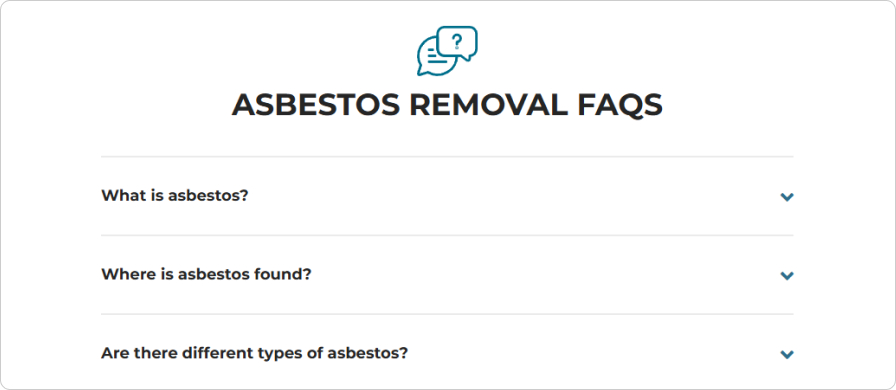
Content is where your SEO strategy starts talking to real people.
This is the part most business owners think of first: service pages, blog posts, FAQs, location pages, case studies, and helpful resources. But good SEO content isn’t just about putting keywords on a page.
It’s about matching search intent.
Search intent means understanding what someone actually wants when they type something into Google. Are they trying to learn? Compare options? Find a local provider? Solve an urgent problem? Get pricing? Book a service?
Those are different searches, and they need different content.
A broad keyword like “SEO” might bring in a lot of search volume, but it’s also vague. A more specific longtail keyword like “SEO for small businesses” or “website migration SEO checklist” tells you much more about what the person needs.
That’s why longtail keywords often matter more than the big trophy terms. They usually come from people who already know what problem they’re trying to solve.
For small businesses, content strategy often includes:
- Clear service pages
- Helpful FAQs
- Location-specific content
- Blog posts that answer real customer questions
- Comparison content
- Case studies
- Before-and-after explanations
- Internal links that guide users to the next step
The key is to make every page useful.
A service page should help someone understand what you do, who it’s for, what problem it solves, and what to do next. A blog post should answer the question clearly instead of dancing around it for 800 words. A local SEO page should speak to the actual market, not just swap out city names and pretend that counts as strategy.
That last one is common. We see it all the time.
A lot of businesses make local SEO mistakes because they treat local content like a fill-in-the-blank template. Google can usually tell. So can customers.
Good content needs specificity.
If you serve multiple locations, explain how those markets differ. If your customers ask the same five questions before buying, answer them. If your service requires trust, show proof. If your offer is complex, simplify the decision.
That’s how content supports SEO and sales at the same time.
Pillar 3: Authority
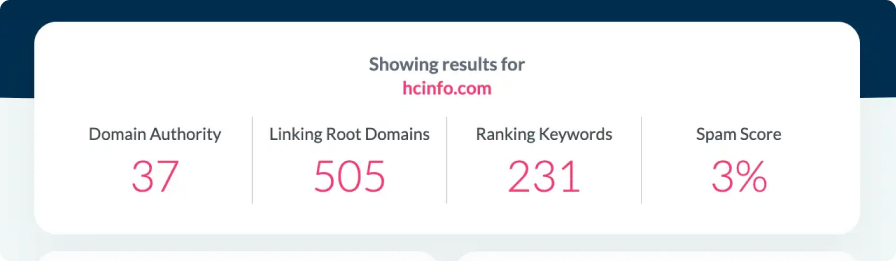
Authority is the trust layer of SEO.
It’s how search engines evaluate whether your business looks credible beyond your own website. Because let’s be honest: every business says it’s good at what it does. Google needs more than your word for it.
Backlinks are the classic authority signal. A backlink is a link from another website to yours. In simple terms, it acts like a vote of confidence.
But authority is bigger than link building.
For a small business, authority can include:
- Backlinks from relevant websites
- Local citations
- Reviews
- PR mentions
- Industry directories
- Case studies
- Testimonials
- Partnerships
- Social proof
- Consistent business information across the web
- Brand mentions from credible sources
If your business is mentioned by local organizations, industry publications, partners, associations, or happy clients, that can support your overall credibility.
This is where a lot of businesses get stuck. They build a decent website. They publish some content. Then nothing much happens because the rest of the internet doesn’t give Google enough reason to treat them as a trusted source.
Authority takes time.
You usually don’t build it from one big trick. You build it through consistent proof. You get involved in your market. You earn reviews. You publish useful content. You create case studies. You build relationships. You give other websites a reason to mention you.
And yes, backlinks still matter. But random backlinks from low-quality sites won’t build the kind of trust you actually want.
Relevance matters. Context matters. Quality matters.
A link from a respected local publication, industry association, partner business, or niche blog usually means more than a pile of cheap links from sites nobody reads.
That’s why authority should be connected to your broader marketing strategy. SEO, PR, partnerships, content, reviews, and reputation all overlap here.
Google is looking for signs that your business is real, credible, and useful.
So are your customers.
Pillar 4: User Experience

This is the pillar we’d add today.
User experience is what happens after someone finds you.
Can they understand what you do in a few seconds? Can they find the right service? Can they trust you? Can they contact you easily? Does the page load quickly? Does the mobile version work? Are your next steps clear?
If not, your SEO has a ceiling.
A page can rank and still fail. That usually happens when the page brings in traffic but doesn’t help visitors make a decision.
Maybe the layout is cluttered. Maybe the call to action is buried. Maybe the content is too vague. Maybe there’s no proof. Maybe the page technically explains the service, but it doesn’t answer the questions a buyer actually has.
That’s where conversion rate optimization connects directly to SEO.
SEO gets people to the page. User experience helps turn that visit into a lead, call, booking, form submission, or sale.
This also connects to E-E-A-T: experience, expertise, authoritativeness, and trustworthiness. Google’s own guidance on helpful, reliable, people-first content encourages businesses to create content that demonstrates real value for users, not just content made to chase rankings.
That doesn’t mean you need to make every page beautiful for the sake of it.
It means your site needs to feel useful and credible.
Strong SEO user experience often includes:
- Clear headlines
- Short, helpful paragraphs
- Fast load times
- Mobile-friendly layouts
- Clear calls to action
- Useful FAQs
- Testimonials
- Reviews
- Case studies
- Trust badges
- Real team or company information
- Proof of expertise
- Easy navigation
- Simple contact options
This matters even more for service businesses.
If someone is choosing a dentist, contractor, med spa, law firm, marketing agency, or local service provider, they’re not just looking for information. They’re deciding whether they trust you enough to reach out.
That decision happens fast.
The page either builds confidence or creates friction.
How AI Search Changes the SEO Pillars
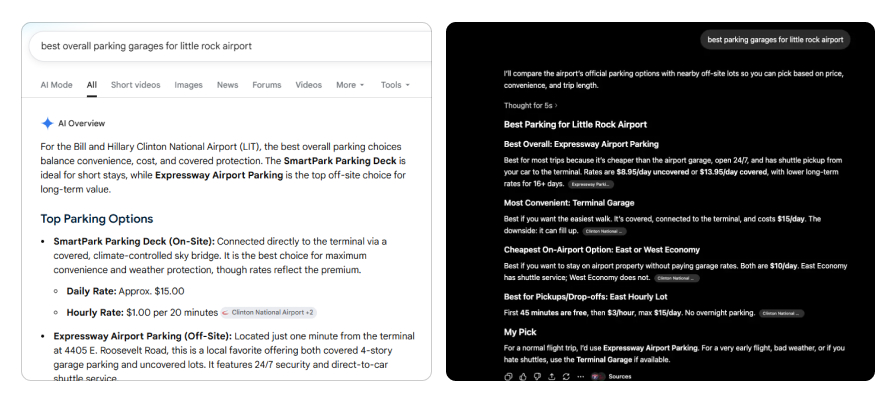
AI search doesn’t replace traditional SEO. It raises the bar.
Google AI Overviews, Gemini, ChatGPT, Perplexity, and other answer engines are changing how people discover information. Instead of only showing users a list of websites, these tools summarize answers and often cite sources.
That means businesses are no longer optimizing only for rankings. They’re also optimizing for inclusion.
Some people call this GEO, or Generative Engine Optimization. The label matters less than the shift behind it.
AI tools need content they can understand, extract, and verify.
That makes the four pillars even more important.
Technical SEO helps search engines and AI systems access your site. Content helps them understand what you know. Authority helps them decide whether you’re credible. User experience helps real people trust what they find when they land on your site.
In AI search, clarity matters more than ever.
That means your content should use clear headings, direct answers, useful examples, and specific details. It should be easy to scan without feeling robotic. It should answer common questions directly. It should include real proof, not vague claims.
A page that says “we offer high-quality solutions tailored to your needs” doesn’t give AI much to work with.
A page that explains who you help, what problem you solve, how your process works, what makes your approach different, and what customers should expect is much more useful.
The same is true for human visitors.
That’s the point.
The future of SEO isn’t “write for bots” or “write for AI.” It’s write clearly enough that machines can understand you and usefully enough that humans trust you.
A Quick Way to Think About the 4 Pillars
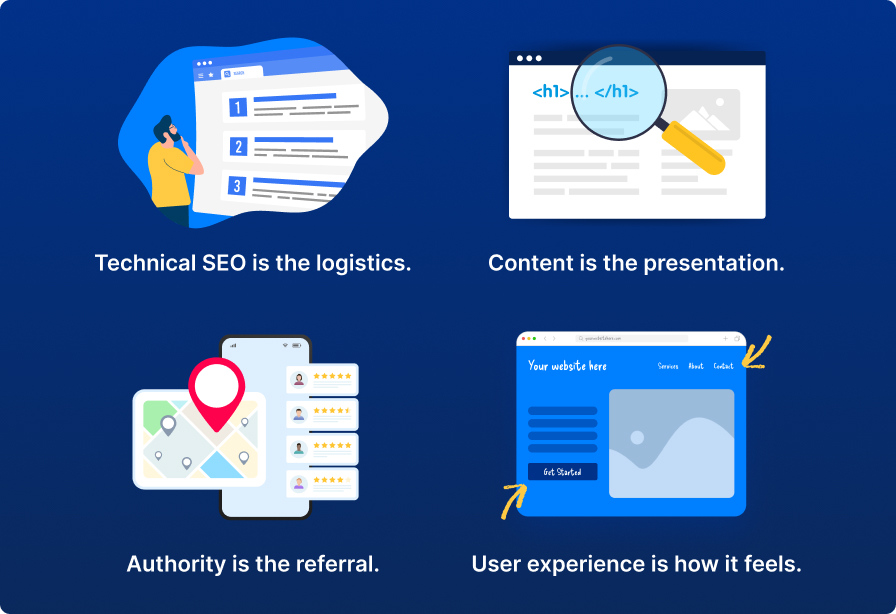
If SEO still feels abstract, think of your website like a high-stakes business meeting.
Technical SEO is the logistics.
Can the right people find the building? Are the doors unlocked? Is the meeting actually on the calendar? If your redirects, indexation, or crawl settings are broken, the meeting may never happen.
Content is the presentation.
This is what you say once you’re in the room. If you speak in vague generalities, people tune out. If you answer specific questions with clear, useful information, you become much easier to trust.
Authority is the referral.
This is who vouched for you before the meeting. Reviews, backlinks, PR, case studies, and brand mentions all help show that you’re not just claiming credibility. Other people recognize it too.
User experience is how the meeting feels.
Was it clear? Was it useful? Did the next step make sense? Did the person leave more confident than when they arrived?
That’s modern SEO.
What This Means for Your SEO Strategy

If your SEO isn’t working, the problem usually lives in one of these four areas.
Your site may have technical issues keeping important pages from being crawled or indexed. Your content may be too thin, too generic, or mismatched with what customers are actually searching for. Your authority may be weaker than the competitors ranking above you. Or your site may get traffic without turning enough of that traffic into leads.
Sometimes it’s all four.
That’s why we don’t look at SEO in isolation. A strong digital marketing strategy should connect SEO, website performance, content, tracking, and customer behavior.
Your website shouldn’t just exist as an online brochure. It should help people find you, understand you, trust you, and take action.
That’s especially important now that search behavior is shifting. Some users still click traditional search results. Some ask AI tools for recommendations. Some compare you against competitors before they ever contact you.
You need to show up clearly in all of those moments.
The SEO Foundation Still Matters
The original three pillars of SEO still matter: technical SEO, content, and authority.
But today, they’re not enough on their own.
User experience is the piece that connects visibility to action. It’s what turns rankings into real business outcomes. It’s also what makes your content more useful in an AI search environment where clarity, trust, and proof matter more than ever.
If you’re not sure which pillar is holding your SEO back, that’s a good place to start.
You don’t need to guess. You need a clear look at what’s working, what’s missing, and what needs to happen next.
Frequently Asked Questions
1. What are the 4 pillars of SEO?
The 4 pillars of SEO are technical SEO, content, authority, and user experience. Together, they help search engines crawl your site, understand your services, trust your business, and send users to pages that actually help them take action.
2. Why is technical SEO important?
Technical SEO makes sure search engines can crawl, index, and understand your website. If you’re planning a redesign or migration, a strong website relaunch SEO plan helps protect your existing visibility and reduce the risk of traffic drops.
3. What is content’s role in SEO?
Content tells Google and your audience what you do, who you help, and why your services are relevant. Strong SEO content should match search intent, answer common questions, and naturally include the terms your customers use.
4. Why do longtail keywords matter?
Longtail keywords are more specific searches, like “website migration SEO checklist” instead of just “SEO.” They often attract people who are closer to taking action because they already know what they need.
5. What does authority mean in SEO?
Authority is the trust your business earns from other sources. This can include backlinks, reviews, PR mentions, local citations, partnerships, case studies, and other proof that your business is credible.
6. Why is user experience considered the 4th pillar of SEO?
User experience matters because rankings alone don’t create leads. A strong page should be easy to read, fast to load, mobile-friendly, trustworthy, and built around a clear next step.
7. How does AI search affect SEO?
AI search rewards clear, helpful, and trustworthy content. A strong AI search optimization strategy makes your site easier for search engines and AI tools to understand, summarize, and cite.
8. Is SEO still worth it for small businesses?
Yes, especially for businesses that depend on local visibility, calls, leads, bookings, or sales. SEO helps customers find you when they’re already searching for what you offer, which makes it one of the most useful long-term marketing channels.
9. What are common SEO mistakes businesses make?
Common mistakes include launching a new site without redirects, publishing thin content, ignoring local search, skipping technical checks, and failing to include clear calls to action. Many of these issues are fixable once you know where to look.
10. How can Explore Digital help with SEO?
We help businesses build SEO strategies that connect technical fixes, content planning, website improvements, and performance tracking. That way, SEO isn’t just about rankings. It’s tied to visibility, leads, and smarter long-term growth.